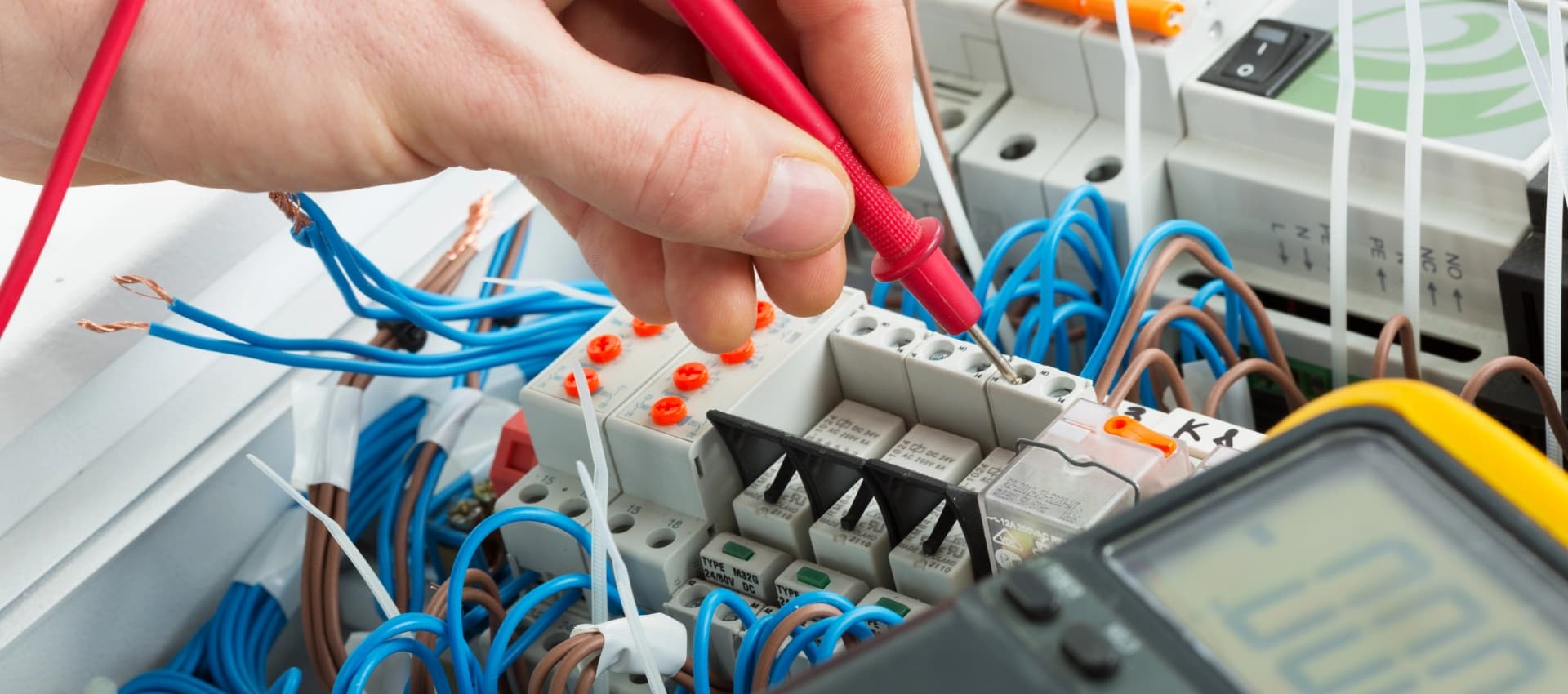
Whole House Wiring
If your home's wiring is old and/or faulty, it can cause a wide range of problems with your home's electrical system. Not only will it cause frustrating power losses and problems with circuits, but it can become extremely dangerous, and it may even lead to something as serious as a house fire.
Need Electrical Service Today?
Request Service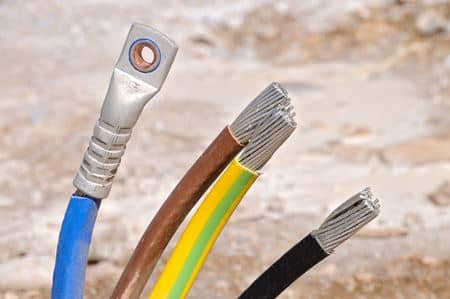
Aluminum wiring was at one point widely accepted as safe for use, but while it isn't necessarily dangerous, it certainly can be. Not only is there a potential for a safety hazard, but insurance companies often won't write a policy for homes with aluminum wiring. On […]
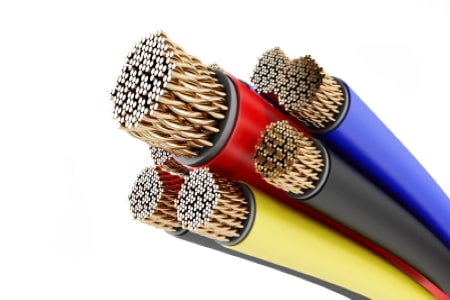
Modern wiring is coated in plastic, but before that was the standard, cloth-covered wiring was used. In most homes that were built before 1960, there is some cloth wiring present. These wires are not inherently dangerous to have in your home, but if you start to […]

If your home is flooded, it's very likely that your electrical wiring will be damaged. Once electrical wiring is damaged by moisture, it needs to be removed and replaced. Working with electrical wiring that has been damaged by water is extremely dangerous, so this is a […]
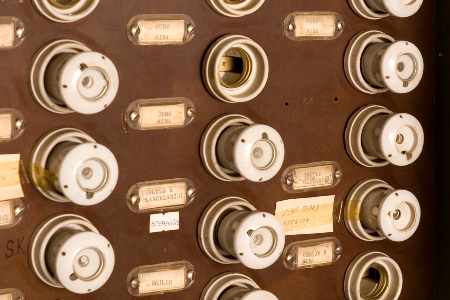
Knob & tube wiring was one of the earliest standardized method for wiring building. Knob and tube wiring can be safe, but while it was once very widely used, it's now considered generally unsafe because of how quickly at can degrade. If your home still has knob […]
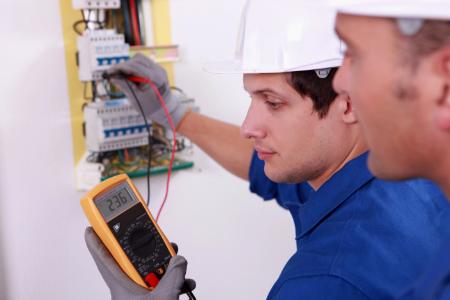
No part of your electrical system is as important as your wiring, and keeping your wiring in great condition is the only way to keep your electrical system safe, efficient, and reliable. If your home's wiring is old and/or faulty, it can cause a wide range […]
Call Us
Leave a Review
Frequently Asked Whole House Wiring Questions
Whole house wiring refers to the complete electrical system that powers your home, including circuits, outlets, switches, lighting, and the main electrical panel. It ensures electricity is safely distributed throughout every room. A licensed electrician designs and installs the system to meet modern code requirements and handle today's electrical demands safely and efficiently.
You may need whole house wiring or rewiring if your home has frequent electrical issues, outdated wiring types (such as aluminum or knob-and-tube), or cannot support modern appliances. Other signs include flickering lights, burning smells, or frequently tripped breakers. A professional inspection can determine whether a full or partial rewiring is necessary.
In many older homes, yes. Electrical systems were not designed for today's energy usage, which includes HVAC systems, kitchen appliances, electronics, and charging stations. Outdated wiring can become a safety hazard over time. A licensed electrician can evaluate your system and recommend whether rewiring is needed to improve safety and reliability.
The timeline depends on the size of the home, accessibility of wiring, and scope of the project. Some rewiring projects may take several days, while larger or more complex homes can take longer. A professional electrician will provide a clear schedule and work efficiently to minimize disruption to your household.
In some cases, yes—especially if the project involves extensive rewiring that temporarily disrupts power throughout the home. However, for smaller or phased rewiring projects, you may be able to remain in your home. A licensed electrician will explain the plan upfront so you know what to expect before work begins.
Whole house wiring is highly complex and involves strict electrical codes, load calculations, and safety requirements. DIY rewiring can lead to serious hazards such as electrical fires, shocks, or system failures. A licensed electrician ensures the entire system is safely installed, fully compliant, and built to handle your home's electrical needs reliably for years to come.
Our Latest Projects
Our Recent Articles