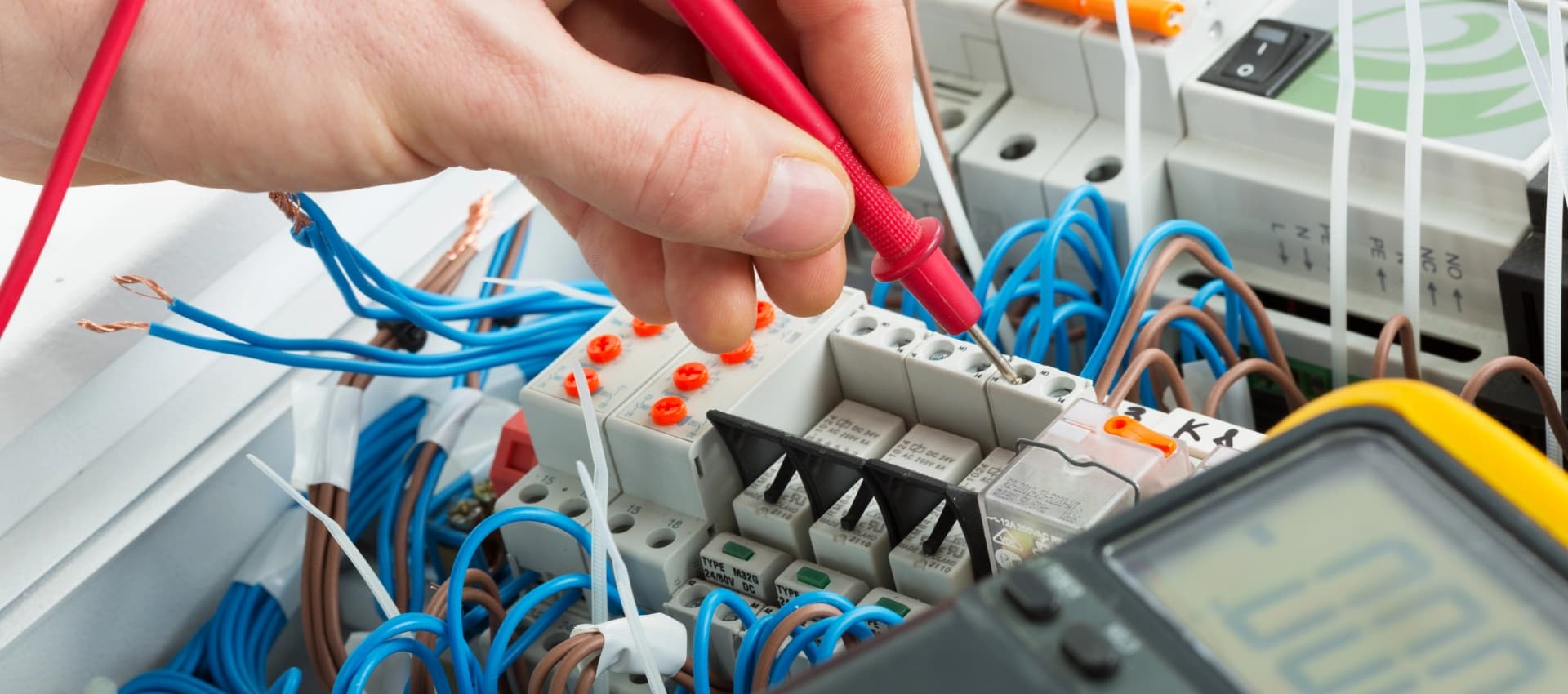
Cloth Wiring
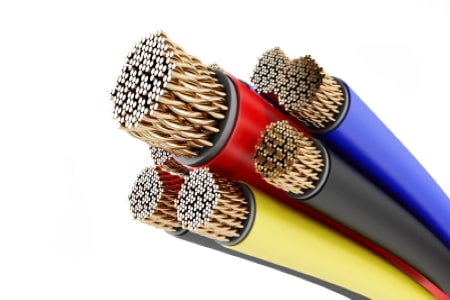
Modern wiring is coated in plastic, but before that was the standard, cloth-covered wiring was used. In most homes that were built before 1960, there is some cloth wiring present. These wires are not inherently dangerous to have in your home, but if you start to notice problems with your electrical system, or if you're renovating your home, it might be a good idea to have your cloth wiring replaced.
At MK Electric Man, our professional Baton Rouge electricians can inspect your home's wiring and help you determine whether any cloth wiring in your home needs to be replaced. We'll guarantee that your home and electrical wiring are totally safe and effective.
Need Electrical Service Today?
Request ServiceWhat Is Cloth Wiring?
Cloth wiring is an older style of electrical wiring that is composed of copper wire covered in either cotton or rayon. It is typically between 12 and 22 gauge, and it also commonly has paper or rubberized insulation. Some cloth wiring may also use PVC in order to increase the integrity of the wiring. Cloth wiring can come with a ground conductor or without. If it does have a ground wire, the outlets will be three-pronged.
Call Us
Leave a Review
Why Replace Cloth Wiring?
While cloth wiring can be safe, even if it's never been updated, there are still many reasons that you might need to have it replaced. If you're experiencing any power failures in your Baton Rouge home, it could be because of rotten insulation in the wires. One that insulation has started to rot, it will not only make your electrical system less reliable, but it can also prove to be dangerous, and it may eventually lead to a house fire.
Our professionals will be able to determine the current status of your cloth wiring, and we can replace it with industry-standard plastic coated wiring to help ensure that your electrical system is always safe and reliable.

Our Electrical Wiring Experts
At MK Electric Man, our Baton Rouge electricians are extensively experienced, so we can always guarantee that you'll be receiving high quality workmanship from a qualified expert. We'll be able to guarantee that your home's wiring is totally up to code, and we'll do whatever it takes to make sure that you're totally satisfied with all of the services that we provide.
Frequently Asked Cloth Wiring Questions
Cloth wiring is an older type of electrical wiring commonly found in homes built before the 1960s. Instead of modern plastic insulation, it uses fabric-based insulation that deteriorates over time. As it ages, it can become brittle, expose live wires, and increase the risk of electrical fires. A licensed electrician can safely inspect the condition of cloth wiring and determine whether it needs repair or full replacement.
It can be. While not every cloth-wired system is immediately unsafe, the insulation naturally breaks down with age, moisture, and heat exposure. This can lead to exposed conductors or loose connections. Because the risk increases over time, professional inspection is strongly recommended to assess whether your system still meets modern safety standards.
In some cases, cloth wiring can be safely repaired using approved methods, such as replacing damaged sections or installing modern connectors. However, many homes ultimately require partial or full rewiring to ensure long-term safety and code compliance. A qualified electrician will evaluate your system and recommend the most practical and cost-effective solution.
Cloth wiring is often found in older homes and may appear as fabric-covered cables inside outlets, attics, or electrical panels. The wiring may look frayed, dusty, or brittle compared to modern plastic-insulated wires. Because it's not always visible or easily identifiable, a professional inspection is the safest way to confirm its presence.
Cloth wiring is fragile and often connected to outdated electrical systems that don't meet current safety codes. Attempting DIY repairs can increase the risk of electric shock, fire hazards, or improper connections that fail over time. A licensed electrician has the training and tools to handle these systems safely and bring them up to modern standards.
Depending on its condition, your options may include targeted repairs, partial rewiring of high-risk areas, or complete system replacement. A professional electrician will assess your home's wiring, explain the risks, and provide a clear plan to improve safety and reliability. This ensures your electrical system is both safe and compliant for long-term use.
Our Latest Projects
Our Recent Articles