Do Power Strips Really Protect Your Home? The Truth About Surge Protection vs Whole-House Systems
Why This Matters In Baton Rouge, LA
South Louisiana sees frequent thunderstorms, summer heat, and sudden power events. In neighborhoods from Mid City and the Garden District to Shenandoah and Old Jefferson, flickers and brief outages are common during afternoon storms. That is why homeowners ask a simple question with big stakes: do those plug-in power strips actually protect your home, or do you need a whole-house surge protection system installed by a licensed electrician? This guide explains the difference so you can make a confident choice for your family and your electronics.
Surge protection is our primary topic, so we will look at how surges start, what plug-in devices really do, and why panel-mounted systems provide a stronger safety net. We will also cover what to expect from a professional installation in Baton Rouge and how to build layers of defense without getting lost in jargon.
What A Surge Is And Why Baton Rouge Homes Are At Risk
A surge is a brief spike in voltage that travels through your electrical system. It can be triggered by lightning in the area, grid switching by the utility, a downed line after a storm, or even by a large motor starting inside your home, such as an air conditioner or well pump. Many surges are small and go unnoticed, but they quietly wear down sensitive electronics over time. A big surge can damage appliances in one shot.
Baton Rouge homeowners face two common sources of surges. First, thunderstorms moving in from the Gulf can cause wide-area voltage spikes. Second, everyday events like power restoration after outages can send a jolt through the neighborhood for a split second. Both can reach your service panel and then travel to every outlet in the house.
Power Strips And Plug-In Surge Protectors: What They Can And Cannot Do
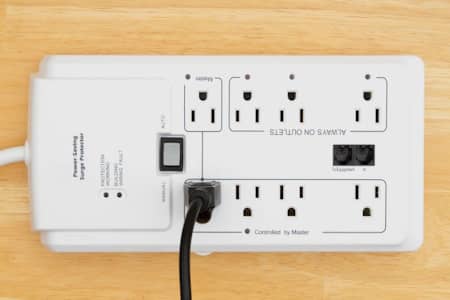
Many people call any multi-outlet bar a "surge protector," but not all power strips are surge protectors. A basic power strip only adds outlets. A plug-in surge protector looks similar but contains components designed to absorb or divert some extra voltage away from your devices.
These plug-in units can help with small, everyday surges that come through the outlet. They often list a joule rating, which is like a sponge capacity for energy. Higher numbers usually mean more ability to absorb energy before the device wears out. Still, their protection is limited to whatever is plugged into that specific strip. They do nothing for hardwired equipment like your HVAC, oven, or built-in microwave. They also do nothing for surges that come from other pathways, such as cable, satellite, or Ethernet, unless those signals pass through a protected port on the same device.
- Good for small electronics at a single outlet, like TVs or computers
- Helpful against minor, frequent surges that quietly wear gear down
- Limited lifespan; once the internal components deplete, protection drops
- Only protects items plugged into that specific strip
For very large surges, especially those related to nearby lightning, power strips cannot stop direct lightning. No plug-in product can guarantee protection from a strike. The goal is to reduce risk by limiting the size of surges that reach your equipment and by creating layers that work together.
Whole-House Surge Protection: How It Works
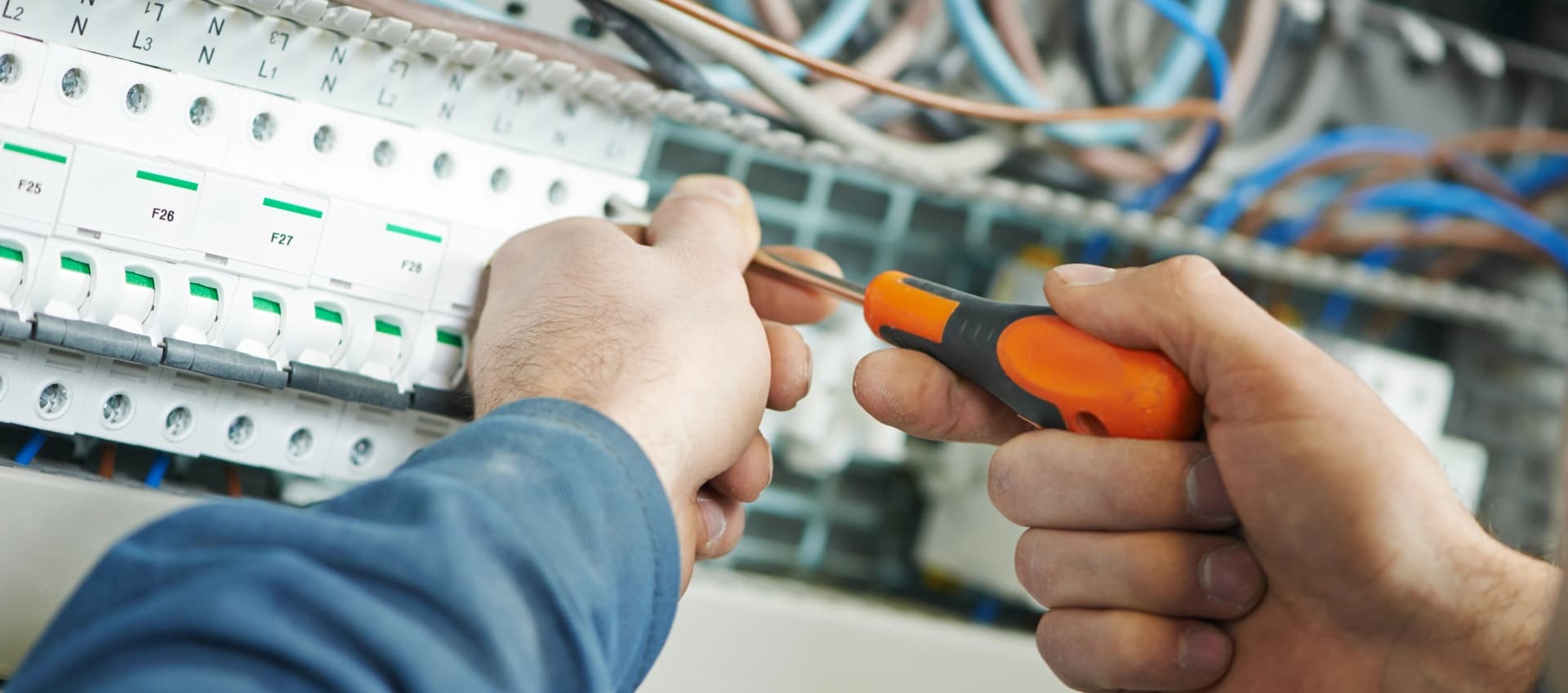
A whole-house surge protection device is installed at or near your main service panel by a licensed electrician. It watches the power coming into your home and shunts excess voltage to ground before it spreads through your circuits. Think of it like a goalie at the panel that tries to block the big shots before they reach your living room.
Because it sits at the panel, it helps protect every circuit, including hardwired equipment like your air conditioner, water heater, wall oven, and garage door opener. If you pair a panel-mounted device with smaller point-of-use protectors for sensitive electronics, you create a layered defense that is more effective than either option alone.
- Protects the entire home at the source, including hardwired systems
- Reduces the size of surges that reach outlets, extending equipment life
- Works well with point-of-use protectors for a layered approach
- Professionally installed to match your panel, utility setup, and grounding
Homeowners in Baton Rouge often ask about different "types" of surge protection. In plain terms, some devices are designed to be installed ahead of the main disconnect, and others inside or next to the panel. Your electrician will select a model that fits your service and local conditions. The key is proper installation, sizing, and grounding so the device can do its job.
Baton Rouge Scenarios: Real-World Surges You Might Face
Picture a summer storm rolling over the Mississippi River. Lightning hits a power pole several blocks away in Southdowns. The jolt sends a surge along the line. Without a panel-mounted device, that spike enters your service panel and fans out to every circuit at once. With whole-house protection in place, most of that energy is diverted at the panel before it can run through your kitchen or home office.
Now imagine a smaller, everyday surge. Your air conditioner in Shenandoah kicks on and causes a tiny internal fluctuation. This small event may not trip a breaker or dim a light, but over months it can shorten the life of sensitive gear. A whole-house device helps level out those bumps, and a quality plug-in protector on your TV or computer adds extra padding where it matters most.
Local Insight: Gulf Coast storms can stack up several days in a row. A layered setup protects against repeated small hits that slowly wear down appliances, not just the scary single event.
Ask your electrician to check grounding and bonding at the same visit. A solid ground path improves surge performance and overall electrical safety.
How To Choose Between Power Strips And Whole-House Systems
If you only want to protect a single device for short-term use, a plug-in surge protector is better than nothing. Look for a recognized testing label and replace it after major events or at signs of wear. For long-term, whole-home risk reduction, a professionally installed system is the stronger foundation.
The best approach for Baton Rouge homes is a combination. Use a panel-mounted device to cut surges down to size, then use point-of-use protectors for your most sensitive or expensive electronics. This layered strategy is simple and effective, especially in areas like Mid City where older homes may have modern electronics plugged into older circuits.
To learn more about our team and services, you can explore surge protection in Baton Rouge from MK Electric Man and see how we support local homeowners year-round.
Installation And Maintenance: What To Expect From A Licensed Electrician In Baton Rouge
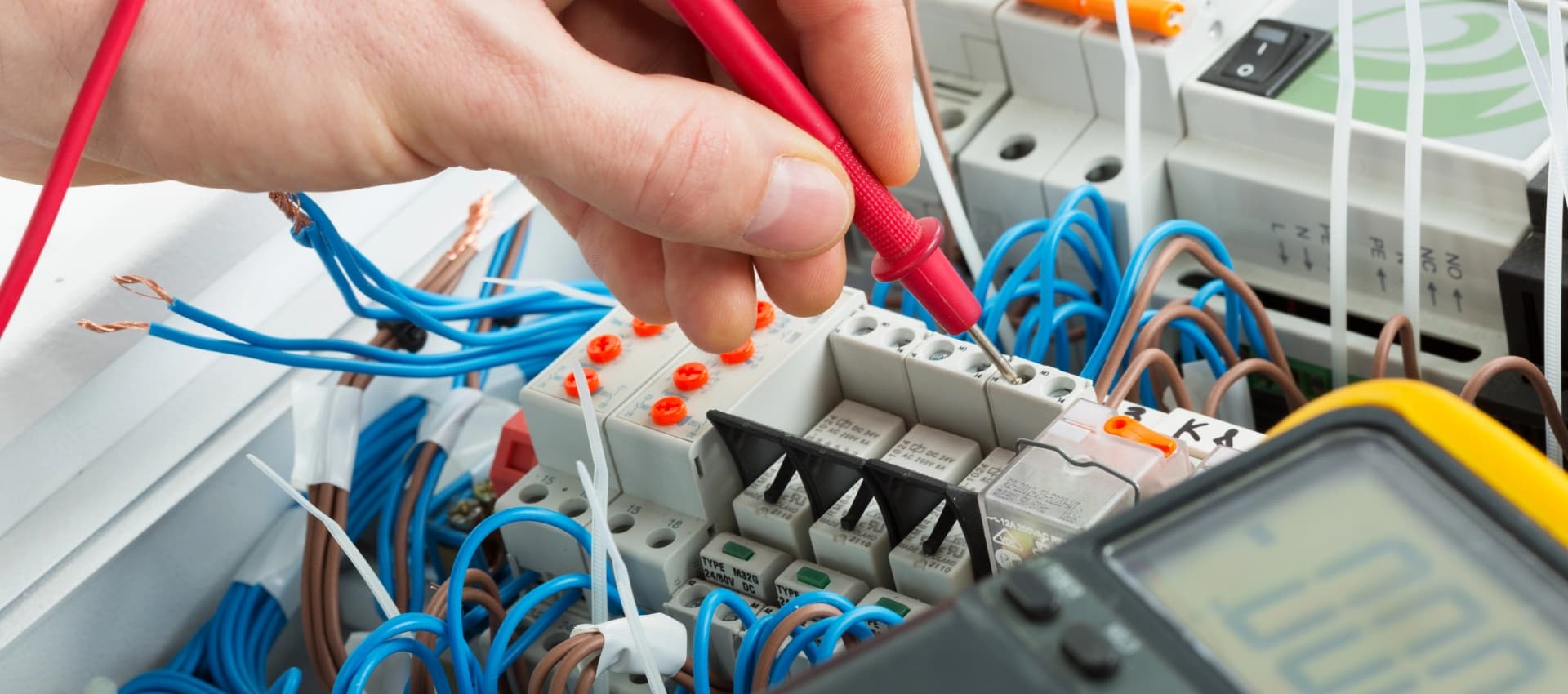
Whole-house surge protection should be installed by a professional who understands your panel, grounding system, and utility connection. The visit usually starts with a quick evaluation: panel location, available breaker space, grounding and bonding, and any add-on systems like generators or solar. Your electrician then mounts the device according to manufacturer instructions and local best practices, keeping the wire runs short and tidy so the device reacts quickly when it matters.
After installation, ask for a walkthrough. You should know where the device is, how to read its status indicator, and how it interacts with any standby generator or other equipment. While these devices are designed to last, your electrician may suggest a periodic check during routine electrical maintenance, especially after a significant storm season.
Whole-house surge protection should be installed by a licensed electrician who will verify grounding and bonding as part of the job. That extra step supports both surge performance and general electrical safety in humid Louisiana conditions.
Common Myths About Surge Protection
Myth 1: "If I use a big power strip, I do not need anything else." Reality: A power strip only helps at that one outlet. It cannot protect hardwired appliances or other rooms. It also wears out over time.
Myth 2: "If lightning hits the house, I am covered." Reality: No device can promise survival from a direct strike. The goal is risk reduction. A layered system at the panel and at the outlet gives you the best odds against the most common events.
Myth 3: "Surge protection is just for computers." Reality: today's refrigerators, AC systems, and even washers use sensitive electronics. Protecting these big-ticket items helps avoid frustrating downtime and premature replacement.
What Features Matter When Comparing Options
When you look at plug-in protectors, you will see joule ratings and clamping voltages. Higher joules generally mean more energy absorption. Lower clamping voltage means the device reacts at a lower threshold. For a whole-house unit, your electrician focuses on proper rating for your service, a strong warranty from a reputable brand, and a clean, short installation path at the panel. Shorter wiring helps the device respond faster to a spike.
Another factor is pathway protection. Surges can arrive through power lines, as well as through cable, satellite, or data lines. Your electrician can suggest add-ons to cover those paths if they connect to sensitive equipment, such as a living room TV or a home office router.
Layered Protection For Baton Rouge Homes
The most reliable plan is simple: put a quality surge protection device at the panel, then add point-of-use protection on devices you care most about. This includes TVs, home office gear, gaming systems, smart speakers, and any sensitive medical or security equipment. For systems like HVAC that are hardwired, the panel device is the main protection.
Layered protection is the single best step a Baton Rouge homeowner can take to lower risk from both daily bumps and storm-driven spikes. It is a practical, set-and-forget solution when installed and checked by a pro.
Signs It Is Time To Upgrade Your Protection
Consider an upgrade if you see flickering lights during storms, if electronics have failed more than once in recent years, or if you are moving into a renovated home near Downtown where the panel has been updated but surge protection was never added. Also consider an upgrade after you invest in new appliances. Protecting new equipment from day one helps it last longer.
If you are planning a remodel in neighborhoods like Broadmoor or Central, talk with your electrician about surge protection during the planning stage. That way the device can be installed with minimal disruption while other electrical work is underway.
Service You Can Trust From A Local Electrician
MK Electric Man serves homeowners across Baton Rouge with licensed, professional electrical work. We tailor surge protection to your panel and lifestyle, whether you stream movies every night, run a home office, or simply want to shield your HVAC and kitchen appliances from surprise surges. Our team explains your options in plain language and keeps the process smooth from start to finish.
Have questions about placement, device type, or maintenance? Call us at 225-709-0573 to schedule a convenient visit.
Putting It All Together: The Truth About Power Strips Vs Whole-House Systems
Power strips and plug-in surge protectors have a job to do, and they do it at the outlet. They add a layer for your TV, computer, and other plug-in gear. A whole-house device sits at the panel and reduces surge size before they reach the rest of your home. Used together, they form a complete plan that fits Baton Rouge's weather and utility conditions.
For most homeowners, the decision is not either-or. Which combination makes your home safer and more reliable? Choose a trusted local electrician to install the panel, then use quality point-of-use protectors in sensitive rooms like the living room and home office. That is the balanced approach we recommend every day.
Ready to protect your Baton Rouge home with whole-house surge protection? Call MK Electric Man today. To get started, reach out to our team at 225-709-0573, and we will schedule a visit that works for you.
Call Us
Leave a Review