Level 2 vs Level 1 EV Chargers: What Most Homeowners Don't Realize Before Installing
If you are comparing Level 2 vs Level 1 EV chargers for your home, you are not alone. Many homeowners start with the cord that came with the car, then realize real-life charging needs look different than a spec sheet. In busy households, evening errands, school drop-offs, and weekend trips can drain more miles than an overnight Level 1 charge can replace. That is where a professional review and, often, a dedicated home EV charger installation make the difference.
What Level 1 Charging Really Looks Like Day to Day
Level 1 charging uses a standard 120-volt outlet. It is simple and familiar, but slow. Most drivers see only a few miles of range added per hour. For short commutes or plug-in hybrids, that can be workable. For a single-driver home that averages light daily miles, you might not feel much pain at first.
The challenge shows up when life gets busy. If you return home late with a low battery, a Level 1 cord may not recover enough range before morning. Cold snaps can also reduce overnight charging effectiveness, and summer cooling loads may compete for available capacity in the evening.
Why Level 2 EV Chargers Fit Most Households
Level 2 charging uses a 240-volt circuit, similar to what powers an electric range or dryer. It adds meaningful range per hour, which helps your schedule, not just your battery. For many families, Level 2 turns the EV into a true daily driver that is ready again by morning, even after late errands or sports practice.
Most homes benefit from upgrading to Level 2 because it better matches real daily driving and gives you margin for surprises. Two-driver households, longer commutes, or frequent weekend trips feel the difference the most. Faster top-offs also mean you can time charging for the quietest hours of the night, when the home's other appliances are off.
- Stick with Level 1 if you drive short distances, have consistent schedules, and can leave the car plugged in for long stretches.
- Choose Level 2 if you want faster recovery, share the car, have changing routines, or expect your next EV to have a larger battery.
Charging Speed: Realistic Scenarios for Families
Charging speed depends on your vehicle's onboard charger and the amperage of the circuit. A common Level 2 setup can add dozens of miles in a few hours. That means a late return at 8 pm can still be back to a comfortable range before bed. Morning surprises, like an early practice or a last-minute commute change, are a lot less stressful when the car can recover quickly.
Think of Level 1 as a slow trickle that works only if your cup is already almost full. Level 2 is like a steady faucet that fills the cup quickly whenever you need it. The flexibility is what most households end up valuing the most.
Electrical Requirements: An Electrician Checks
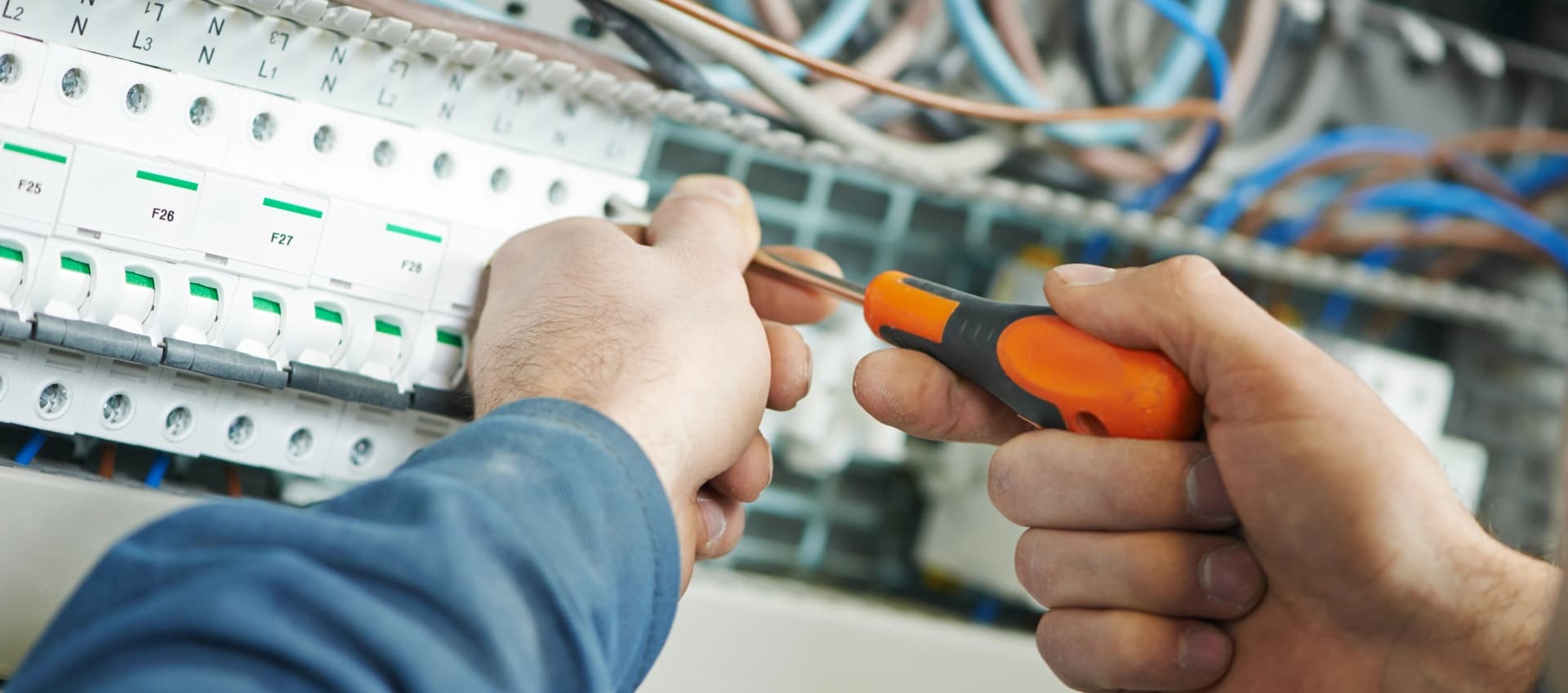
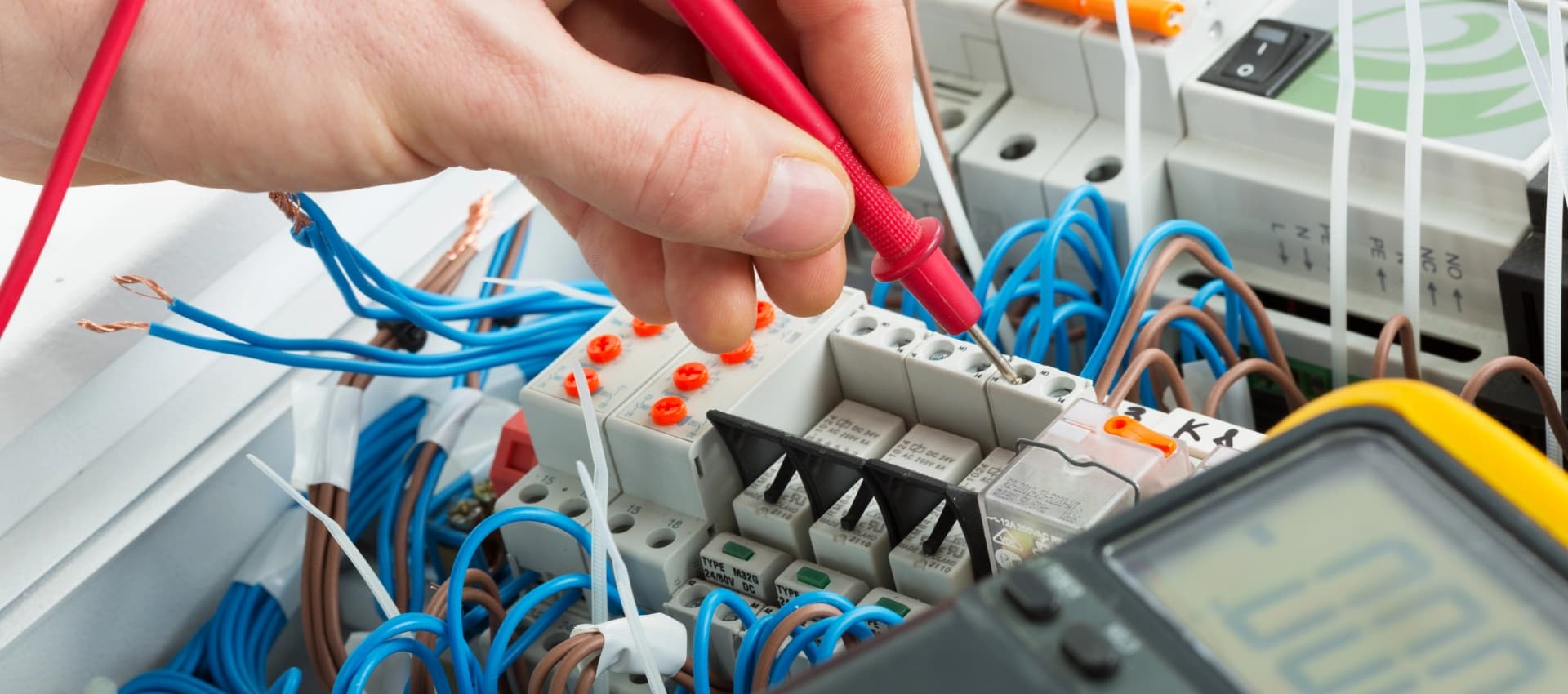
A licensed electrician will look at three essentials before installing any EV charger. The first is your main service size, typically 100 to 200 amps in many homes. The second is space in the panel for a new 240-volt breaker. The third is the total load on the home, so the new circuit plays nicely with heating, cooling, and appliances.
Schedule a quick site evaluation first to avoid surprises. A pro will verify whether a hardwired charger or a NEMA 14-50 style receptacle is the better choice, assess wire runs for the cleanest look, and check grounding. If upgrades are recommended, they will explain why and outline the safest path to power your charger reliably without nuisance breaker trips.
Never use a household extension cord for EV charging. Extension cords are not designed for sustained high current and can overheat. A dedicated circuit with the correct wire size and breaker is the safe and dependable route for your vehicle and your home.
Local tip: hot summer afternoons load up your air conditioning, and can push your electrical system harder. Set your EV to start charging late at night so the home is quieter and cooler, and so you recover range before the morning rush.
Smart Features And Future-Proofing
Many Level 2 chargers include Wi-Fi or app controls. You can schedule charging, track energy, and share access codes for guests. Some models offer load sharing, which lets two chargers share a single circuit when you add a second EV later. If you plan to keep the car for years, these features make life easier and help you adapt as your needs change.
Think ahead about the mounting location and cable reach. Wall space near the garage door lets you charge inside or on the driveway without dragging cords around bumpers. Neat cable management also protects connectors and keeps your garage walkways clear.
Installation Timeline And What To Expect
The process usually starts with a short visit to review your panel, measure a route, and confirm hardware. Your electrician will outline permitting needs where applicable and coordinate any required inspections. The installation itself is often a single-day project once approvals are in place. The final step is a startup check to confirm proper voltage, correct breaker labeling, and charger communication with your vehicle.
During planning, discuss charger placement so the cord reaches your preferred parking spot with some slack. Talk through how you want the conduit to look. A tidy install blends into the garage and makes everyday use easy. For more details on what the work involves, explore our EV charger installation overview written for homeowners.
How Level 1 And Level 2 Affect Your Routine
Small, daily differences add up. With Level 1, a late return can mean waiting well into the next day for a full battery. With Level 2, an hour or two of charging during dinner can replace a big chunk of miles. Over a week, that flexibility means fewer range worries and more time driving.
Weather and seasons matter too. Colder nights can slow charging and reduce range, which makes the quicker recovery of Level 2 even more helpful. In hotter months, scheduling your charge during the overnight hours helps keep your home's electrical load balanced while you sleep.
Common Myths About Level 2 Charging
Myth: "Level 2 is only for heavy drivers." In reality, even moderate drivers like the convenience of a quick top-off. It reduces planning and keeps the car ready without micromanaging charge levels. Another myth is that Level 2 always requires a full electrical overhaul. Sometimes it does, but often it is as simple as adding one properly sized circuit after a load calculation. Your electrician will confirm what is best for your home.
A Simple Way To Choose The Right Charger
Use this quick framework to decide what fits your household today and in the future:
- Count average miles per weekday and your longest typical round-trip.
- Think about schedule swings: late returns, split commutes, or weekend sports.
- Look ahead two to five years. Bigger batteries or a second EV make Level 2 more valuable.
- Confirm electrical capacity with a licensed electrician, so your charger is safe and dependable.
If you check even one of those boxes, Level 2 is likely the better fit for comfort and flexibility. It is not about charging as fast as possible. It is about charging fast enough for your car to keep up with your life.
Safety, Reliability, And Warranty Considerations
Choose a UL-listed charger from a reputable brand and install it on a dedicated circuit sized for your vehicle's onboard charger. Ask about surge protection and whether a whole-home device is recommended. Outdoor installs should be weather-rated and mounted at the right height to protect the connector. Keep cables off the floor where possible to prevent tripping and to protect the plug ends.
Your EV and charger both carry warranties that may require professional installation and proper documentation. A clean, code-compliant installation helps protect those warranties and ensures the setup works as the manufacturer intended.
Working With A Local Electrician You Can Trust
Partnering with a licensed, insured electrician matters for safety and long-term performance. At MK Electric Man, we evaluate charging speed, electrical requirements, and your family's use of the car. Then we recommend a solution that fits your home today and leaves room for tomorrow. If you want a broader overview of level 2 vs level 1 EV chargers and other residential services, start on our home page and explore from there.
Ready to upgrade after weighing level 2 vs level 1 EV chargers? Talk with a pro and schedule your evaluation today. To speak with our team, call 225-709-0573, and we will set up a convenient time.
Call Us
Leave a Review